
Blog
We like to share our learnings, thoughts, opinions and ‘how to’ knowledge on different design-related topics.

10 Essential tips for choosing accessible fonts for educational digital products

Discover ten essential tips for choosing accessible fonts for educational digital products, designed to enhance readability and engagement for school-age children. Perfect for developers, educators, and designers looking to create user-friendly learning tools.

Enterprise UX: Designing complex platforms
This post explores how effective enterprise UX design can simplify complex platforms, improving workflows, compliance, and decision-making for large-scale organisations.

The importance of continuous discovery for product success
Discover why continuous discovery is crucial for product success. This blog explores how ongoing user research drives informed, evidence-based decisions, highlights key discovery activities and explains how to embed continuous discovery into your development process.
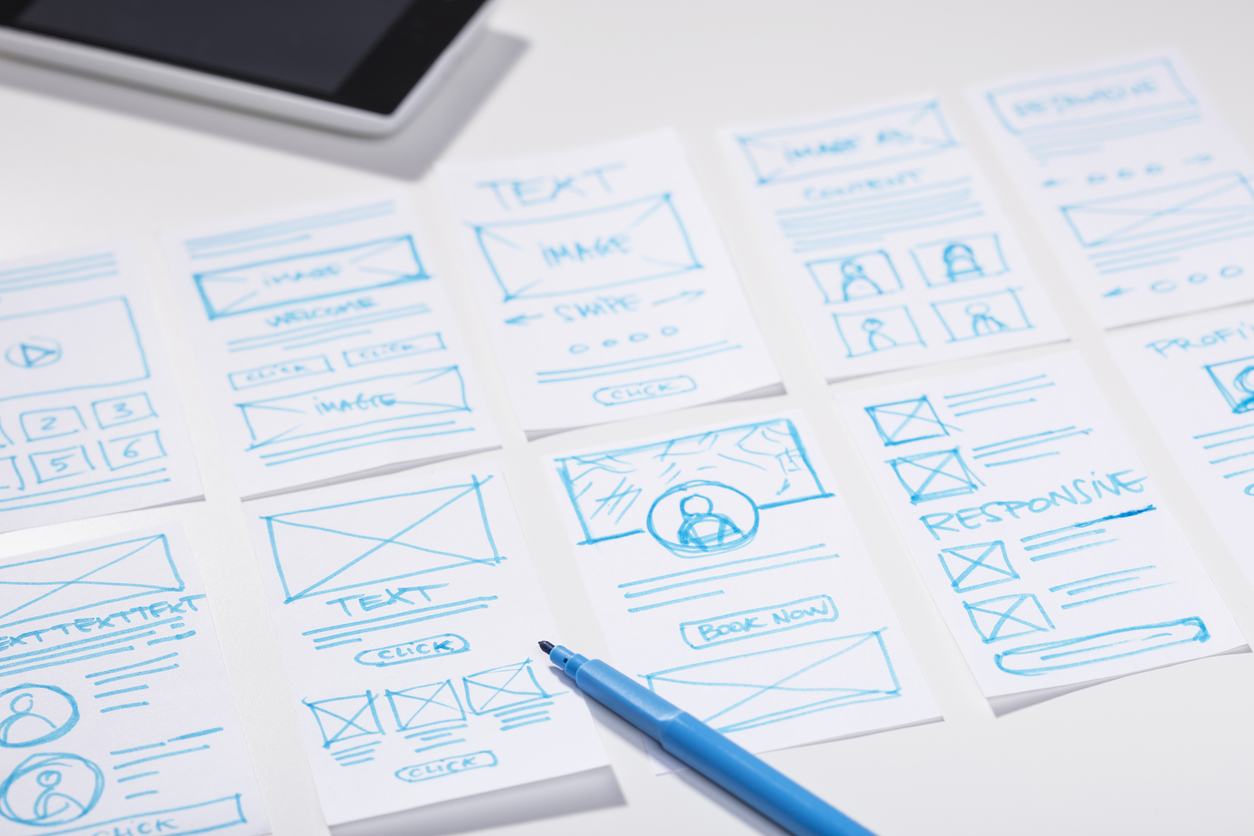
Wireframes vs. UI design deliverables
Discover the difference between wireframes (structure and flow) and UI design (visual styling and branding) in our design process. Learn what to expect at each stage of your project for better results.

How to select the right participants for user research
Discover how to select the right participants for user research by grouping users based on their needs and behaviours, and ensuring a diverse cross-section for more insightful results.

How to manage a phased product rebrand: a user-centric approach for a smooth transition
Rebranding a digital product can be challenging, especially when managing user expectations and technical constraints. In this blog post, we share practical, user-centric strategies for a phased product rebrand. Learn how to ensure a smooth transition that keeps your users engaged while navigating the complexities of legacy systems.

Conducting user research with children

As designers, we are very much aware that effective design hinges on research. However, researching with minors presents unique hurdles, demanding tailored methodologies that honour their developmental stages and ethical considerations. In this blog post, we distil our experience into key insights and practical tips for conducting research with children.

User-centric cyber security is the next big thing for the industry

Effective cybersecurity relies on people at different levels as it’s a complex field with a lot of data and technicalities. Therefore, user-centric design (and UX research) is a key factor in ensuring that once cyber threats, vulnerabilities and other risks are identified, they can be reported and managed as efficiently and effectively as possible.

Dual Track: A better approach for more user-centric product design
When designing products, user needs, business goals and business requirements all need to be considered. Great products are created when all 3 combine, but following conventional development principles means the needs of the user are often overlooked, leading to sub-par products and poor user experience.

Laws of UX for better user experience

Human psychology plays a key role in shaping user experiences (UX) in the digital space. UX designers aim to understand human behaviour and align with pre-existing mental models to deliver experiences that feel intuitive.

User Personas - What are they and why do we use them?

Personas help guide a human-centric perspective into decision-making. By bringing together user preferences, context, and challenges, personas empower product teams to craft solutions that resonate deeply with their audience.

How to run user research for a diverse set of users

Diversity and inclusion should be central to user research, ensuring that all voices are heard and valued. By prioritising these principles, businesses can create products that resonate with a broad spectrum of users.